The integration of artificial intelligence into military systems is transforming the nature of warfare. What was once a domain dominated by human decision-making is increasingly characterised by automation, speed, and data-driven operations. This shift is not theoretical; it is already visible in conflicts such as Ukraine, where AI-enabled systems are being deployed in real time.
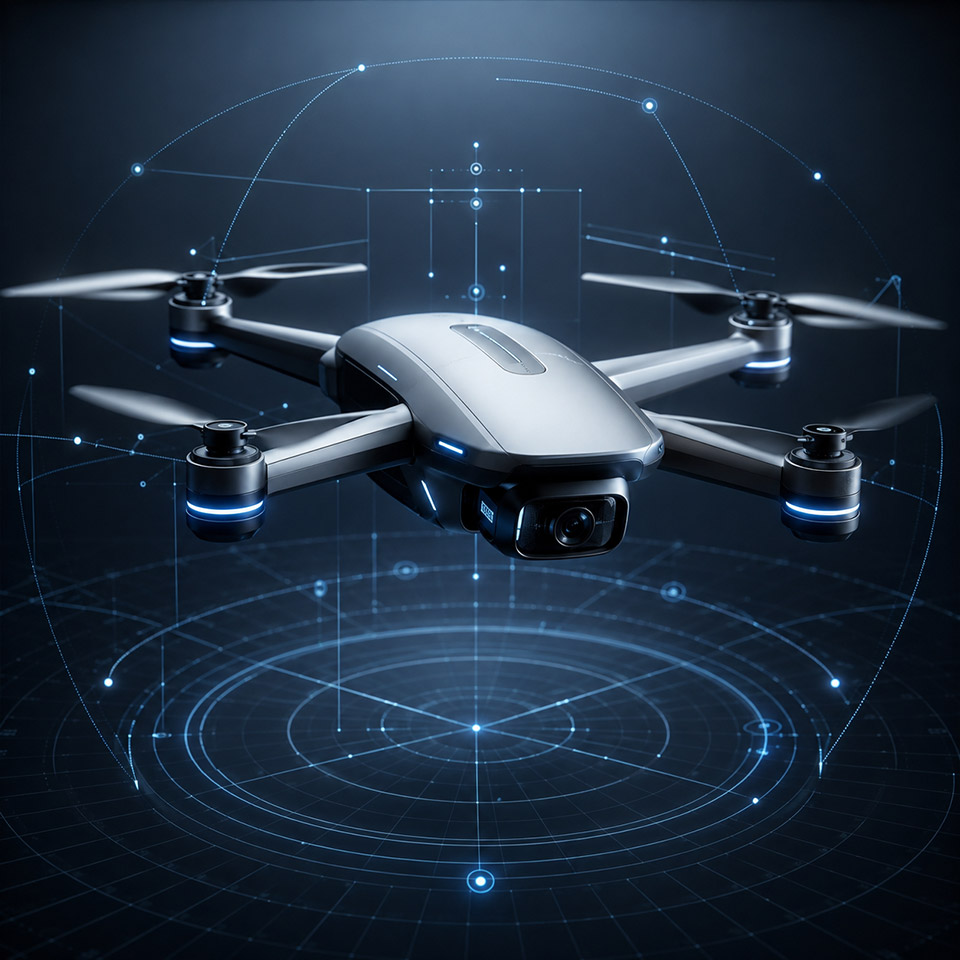
One of the most significant developments is the proliferation of autonomous and semi-autonomous drones. The use of drone swarms, in particular, represents a new paradigm, where large numbers of relatively low-cost units can overwhelm traditional defence systems. AI is also enhancing other aspects of military operations. Intelligence analysis, logistics, and cyber warfare are all being transformed by machine learning and data analytics.
However, these developments also introduce new risks. The speed of AI-driven systems can reduce the time available for human decision-making, increasing the potential for escalation. The use of autonomous weapons raises ethical and legal questions, particularly regarding accountability and compliance with international law. From a strategic perspective, AI lowers the barriers to entry for military capability.
For the European Union, AI represents both a challenge and an opportunity. Europe has strong capabilities in research, regulation, and industrial development, but it lags behind the United States and China in terms of large-scale deployment. The EU’s approach to AI will need to balance innovation with regulation.
While ethical considerations are important, excessive constraints could limit the development of critical capabilities. A more pragmatic approach, focused on strategic autonomy and competitiveness, will be necessary. The broader implication is that warfare is entering a new phase, where technology plays a central role. The ability to develop and deploy AI-driven systems will be a key determinant of power in the coming decades.