Artificial intelligence significantly enhances information warfare by providing advanced capabilities for data collection, processing and analysis, turning the information environment into a dynamic battlespace.
AI tools are exceptionally effective at analysing vast amounts of data from online sources, detecting subtle patterns and trends that would be impossible for human analysts to identify. That analytical power allows for the precise shaping and influencing of narratives, enabling actors to frame and distort information to manipulate public perception and opinion.
AI also facilitates the creation of highly customisable information campaigns and adaptive messaging strategies. By monitoring public reactions to disseminated content in real time, AI-driven systems can refine their tactics, identifying which narratives gain traction and adjusting messaging accordingly. That capability allows for the execution of sophisticated psychological operations (PSYOPs) with greater precision and impact, targeting specific groups with tailored content designed to influence their beliefs and behaviours.
Deepfakes, Synthetic Media and the Amplification of Disinformation
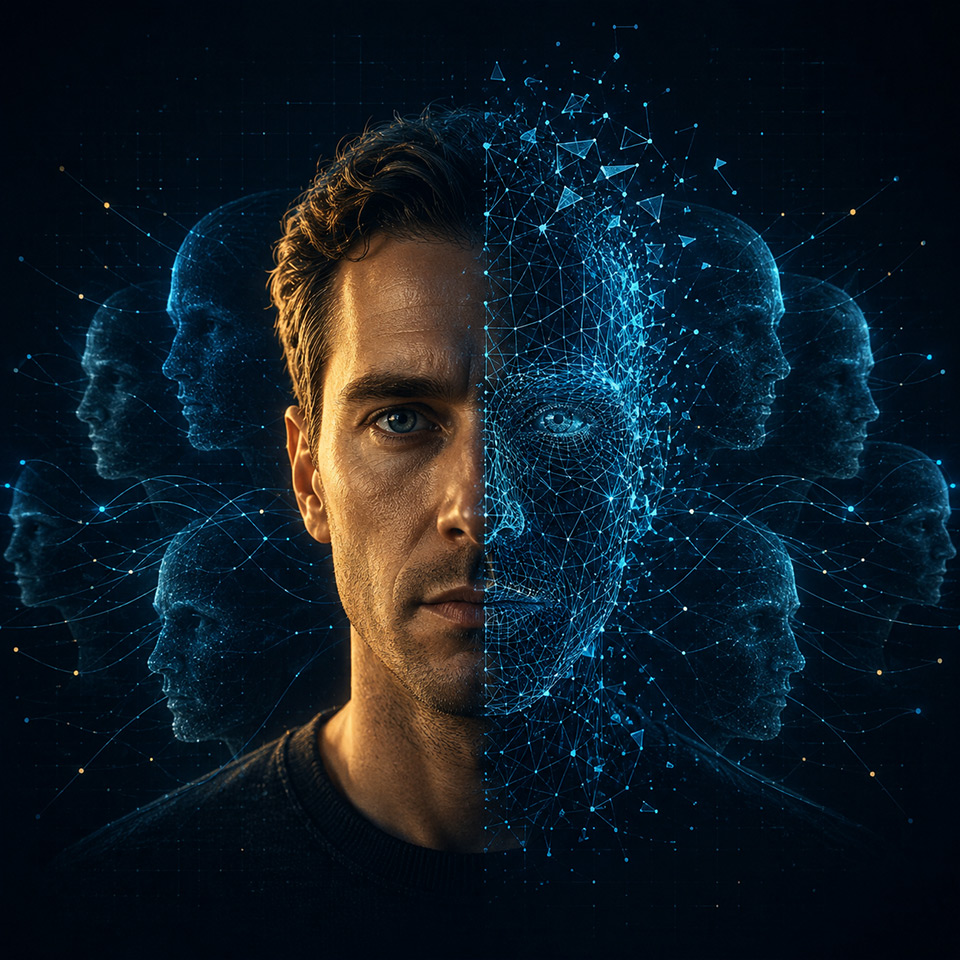
One of the most concerning applications of AI in information warfare is its ability to produce deepfakes and other forms of synthetic media. AI can generate highly realistic videos, images, audio and text that closely resemble authentic content, effectively deceiving audiences and spreading false narratives.
Real-world examples demonstrate the potency of these tools. Deepfake videos of political figures, including a video of Ukrainian President Volodymyr Zelenskyy that appeared to show him surrendering, and AI-generated audio messages mimicking a US president attempting to dissuade voters, have been used to spread falsehoods and manipulate democratic processes.
The ease with which AI can generate photo-realistic images and convincing voice clones also means that even accurate video or audio content can be slandered as deepfakes by those seeking to discredit it.
Palo Alto Networks in its 2026 cybersecurity predictions describes the emergence of what it calls the CEO doppelgänger: a perfect AI-generated replica of a leader, capable of commanding the enterprise in real time. That is no longer a thought experiment; it is an operational reality.
Beyond creating deceptive content, AI-driven bots play a crucial role in amplifying misinformation.
These bots can share, like and comment on posts at scale, creating the illusion of widespread support or consensus around false narratives and maximising the impact of disinformation campaigns. Coordinated manipulation can sow confusion and influence public perception on specific topics, as seen in the dissemination of conspiracy theories related to geopolitical conflicts.